

Why bare concrete isn't enough
Concrete is porous. Oils, fuels, acids and cleaning chemicals soak in, leaving stains and, over time, weakening the surface. In a bund or storage area, that porosity also means spills aren't truly contained.
Where coatings make the biggest difference
- Chemical stores and dangerous-goods areas
- Bunds, sumps and spill containment
- Wash bays and wet areas
- Workshop floors with oil, fuel and dropped tools
- Loading docks and forklift routes
Start with what you store
No coating resists everything equally. Before choosing a system, list the chemicals on site, their concentrations and how long a spill might sit before it's cleaned up. That list should be checked against the coating manufacturer's chemical resistance data.
Surface preparation is most of the job
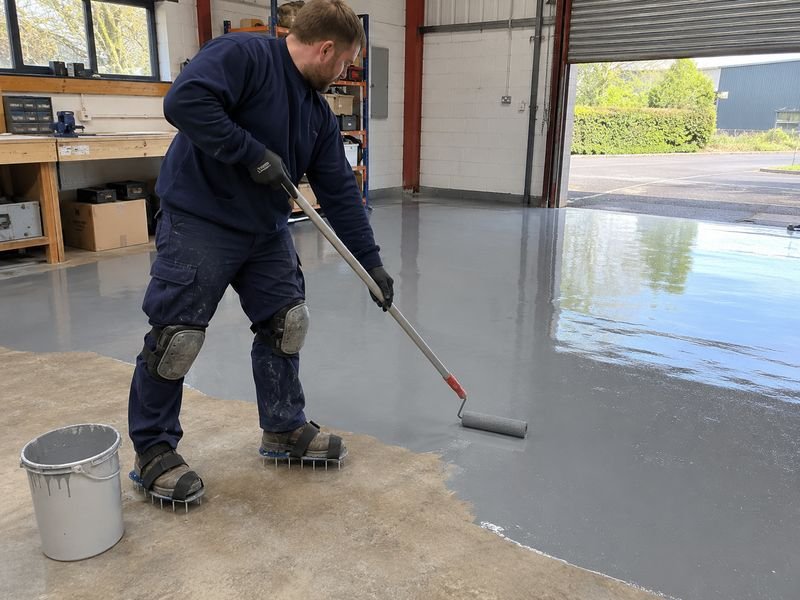
Most coating failures are preparation failures. Concrete needs to be clean, dry and mechanically profiled so the coating can bond; oil-contaminated slabs need degreasing first; cracks and joints need treating. Steel surfaces need rust and mill scale removed.
Planning around your operations
Coating a live site means planning access, ventilation and cure time. Weekends, shutdowns and staged sections keep the business running. A spray-applied coating can reduce downtime compared with multi-coat roller systems.
Compliance
Bunding and chemical storage requirements depend on what you store and how much. Coatings help you meet your obligations, but your site's specific requirements should be confirmed with your safety or environmental advisor.
Billy applies chemical-resistant coatings on site across Sydney, starting with a site assessment.
General information only, written from experience in the trade. Every job is different, get advice specific to yours before you build or buy.